
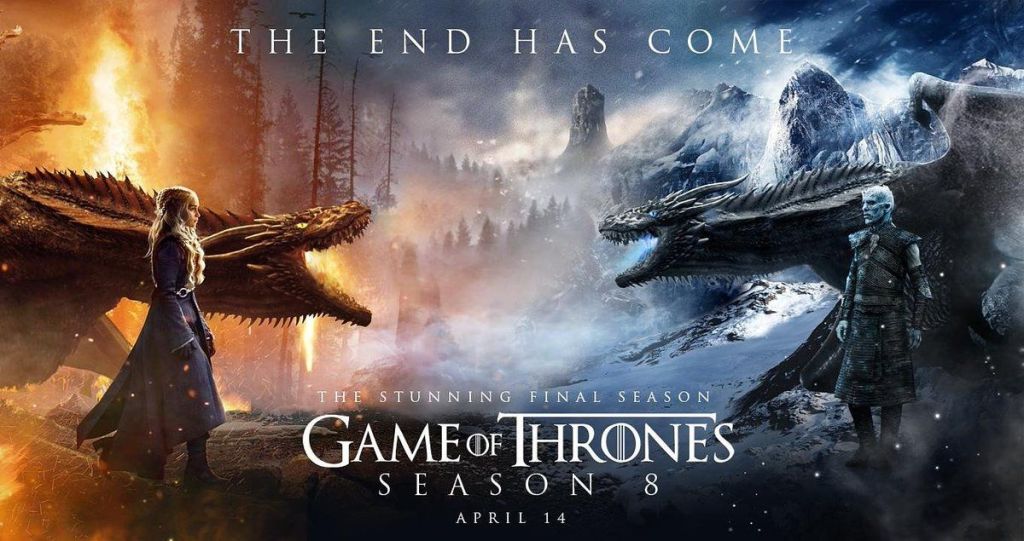
Could AI Have Written a Better Ending for Game of Thrones?
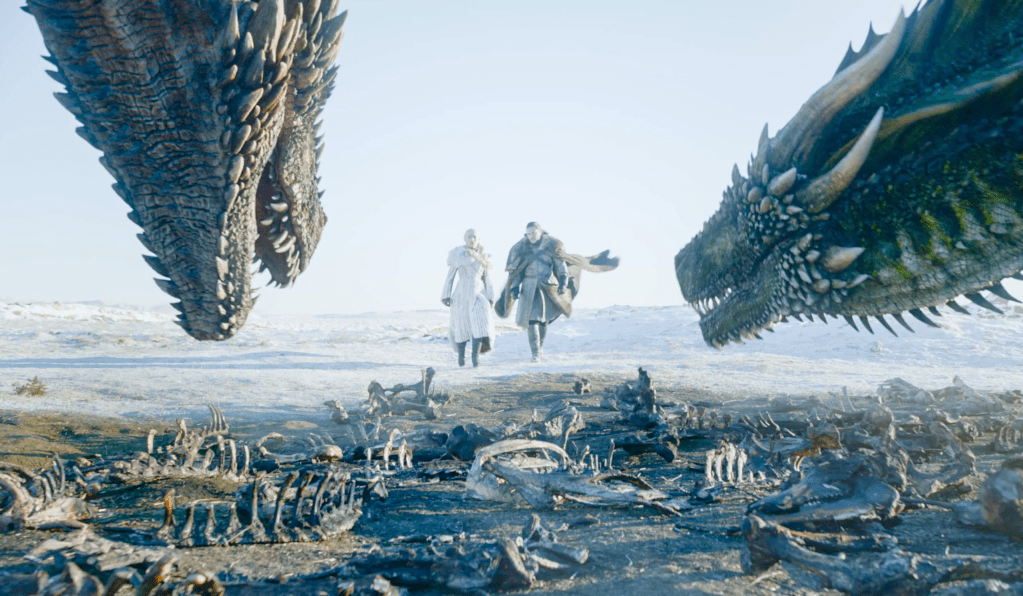
When Game of Thrones ended, the world did not just watch—it collectively reacted. Fans from around the globe weighed in with theories, criticisms, and even outrage about the finale. The backlash was intense, with countless fans arguing that the ending did not do justice to the complex characters and intricate plot-lines built up over eight seasons.
Imagine if, instead of accepting that conclusion, fans would have used Natural Language Generation (NLG) to generate alternate endings—ones where the Iron Throne went to a different ruler or where certain fan-favorite characters survived. In fact, NLG is already capable of producing content that mirrors human writing, transforming data and inputs into cohesive, meaningful narratives.
With NLG, the ability to craft narratives like Game of Thrones—or even rewrite them—would not be so far-fetched. Let’s explore the power behind machines that can write.
The Power of NLG – Real-World Applications
Natural Language Generation is already transforming industries by automating content creation and producing human-like text. NLG takes structured data and converts it into meaningful narratives. Whether it’s automating customer service, generating detailed reports, or even summarizing entire seasons of a show, NLG is enabling us to interact with information in new ways.
Here are just a few ways NLG is being used:
- E-commerce: Automatically generating thousands of personalized product descriptions at scale for online retailers like Amazon.
- Media: Writing real-time news articles, financial reports, or weather updates from structured data.
- Customer Service: Powering chatbots and automating responses to common customer inquiries, improving response times while reducing costs.
- Social Media: Crafting posts or content based on real-time trends, tailored to specific audiences.
And imagine the entertainment world where NLG would generate alternative endings to iconic series like Game of Thrones. What if AI would rewrite plot twists based on what the majority of fans wanted? NLG holds the potential to generate compelling, story-driven content faster than ever before.
How NLG Works – From Data to Stories
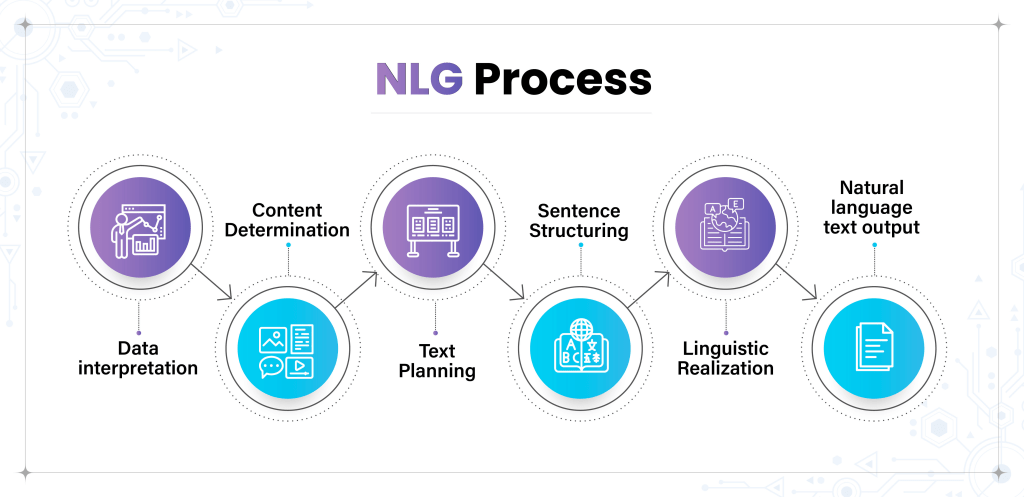
At its core, NLG converts structured data into text that reads like it was written by a human. It breaks down into three main steps:
- Data Collection and Analysis: First, NLG systems gather structured data—this can range from numbers and statistics to player stats, weather reports, or viewer preferences.
- Content Planning: The system then decides how to present the data, structuring it into a meaningful, logical narrative. Just like how Game of Thrones writers plotted each season, NLG must decide what information is relevant and in what order to present it.
- Text Generation: Finally, NLG generates text using natural language processing (NLP) techniques. This is where it applies grammar rules, tone, and language choices to convert the raw data into readable text.
Just imagine if NLG was applied to all the fan theories circulating before the final season of Game of Thrones. It would have created multiple alternative endings, each based on different data points like character arcs, fan feedback, or even social media trends.
Engaging with Content Through NLG
Whether it’s generating custom marketing campaigns or analyzing customer data to craft personalized reports, NLG is redefining how businesses and individuals engage with content. And while rewriting Game of Thrones may sound like science fiction, NLG is already proving that it can generate compelling narratives that captivate audiences. With more data, the possibilities grow, and the more human-like the output becomes. Just like how fan input could lead to alternative story-lines in shows like Game of Thrones, NLG can generate text that is reflective of user preferences.


Leave a Reply