
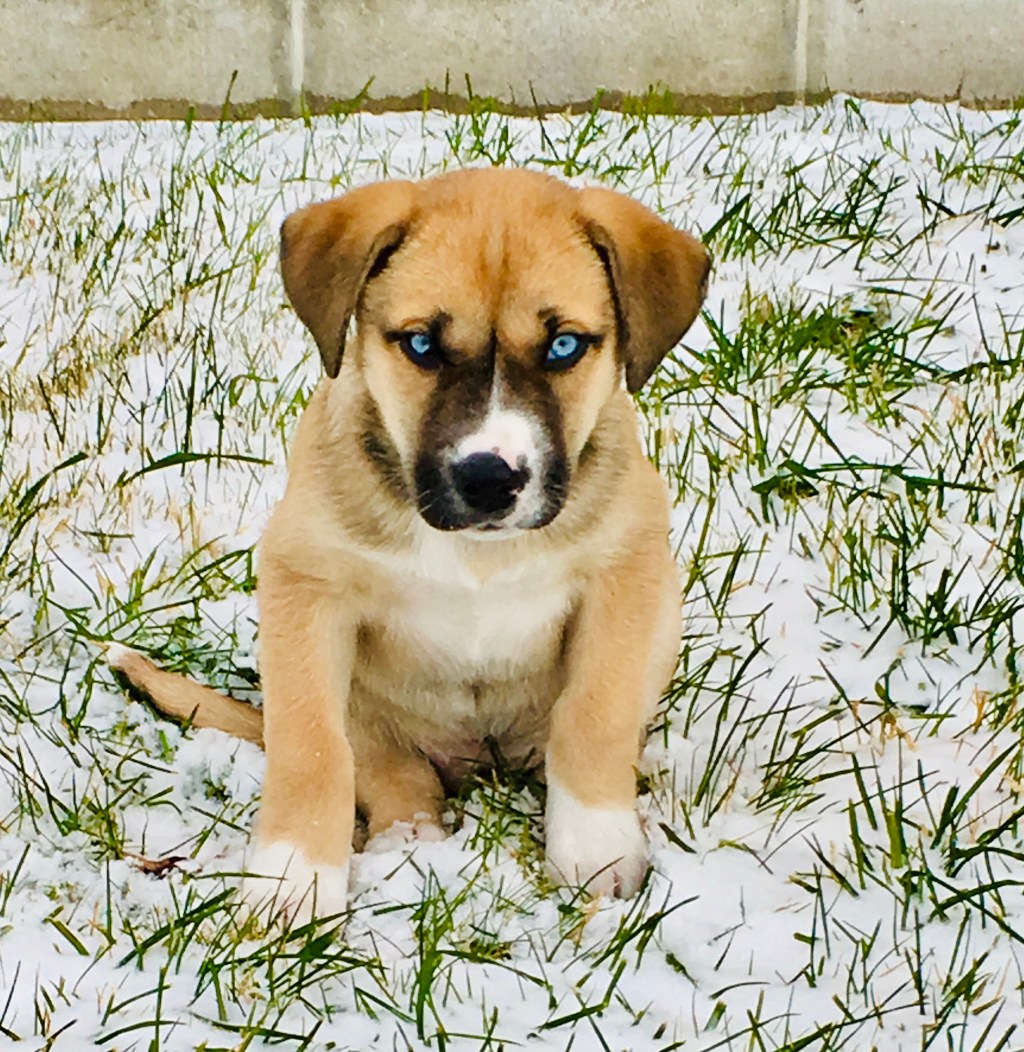
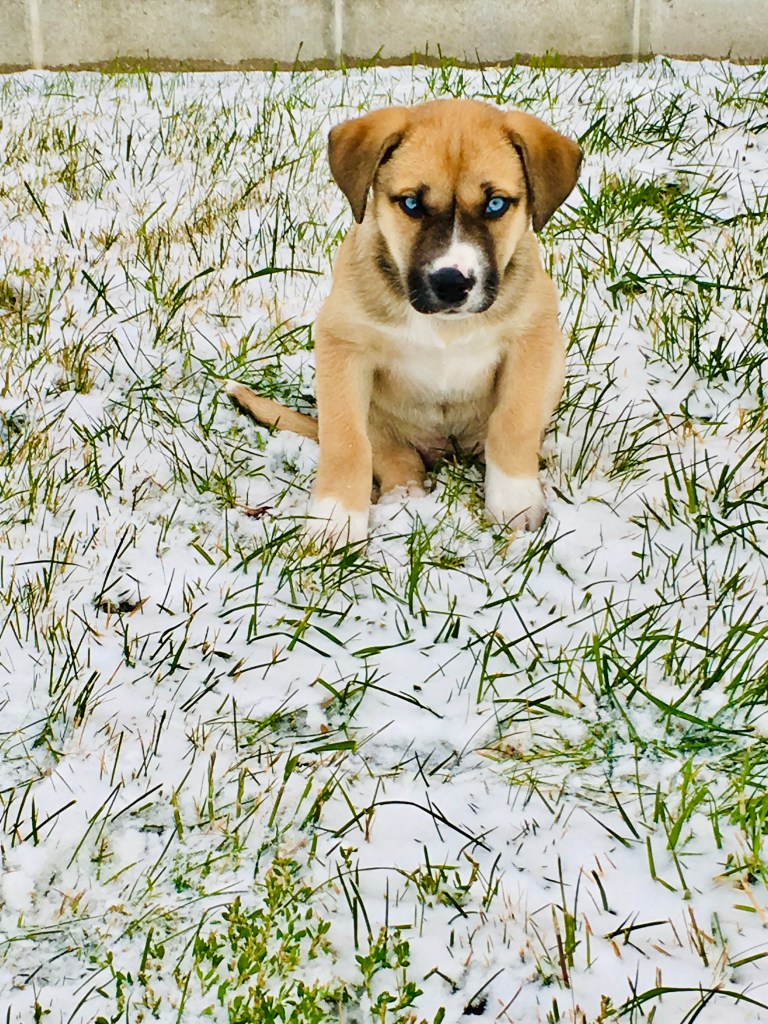
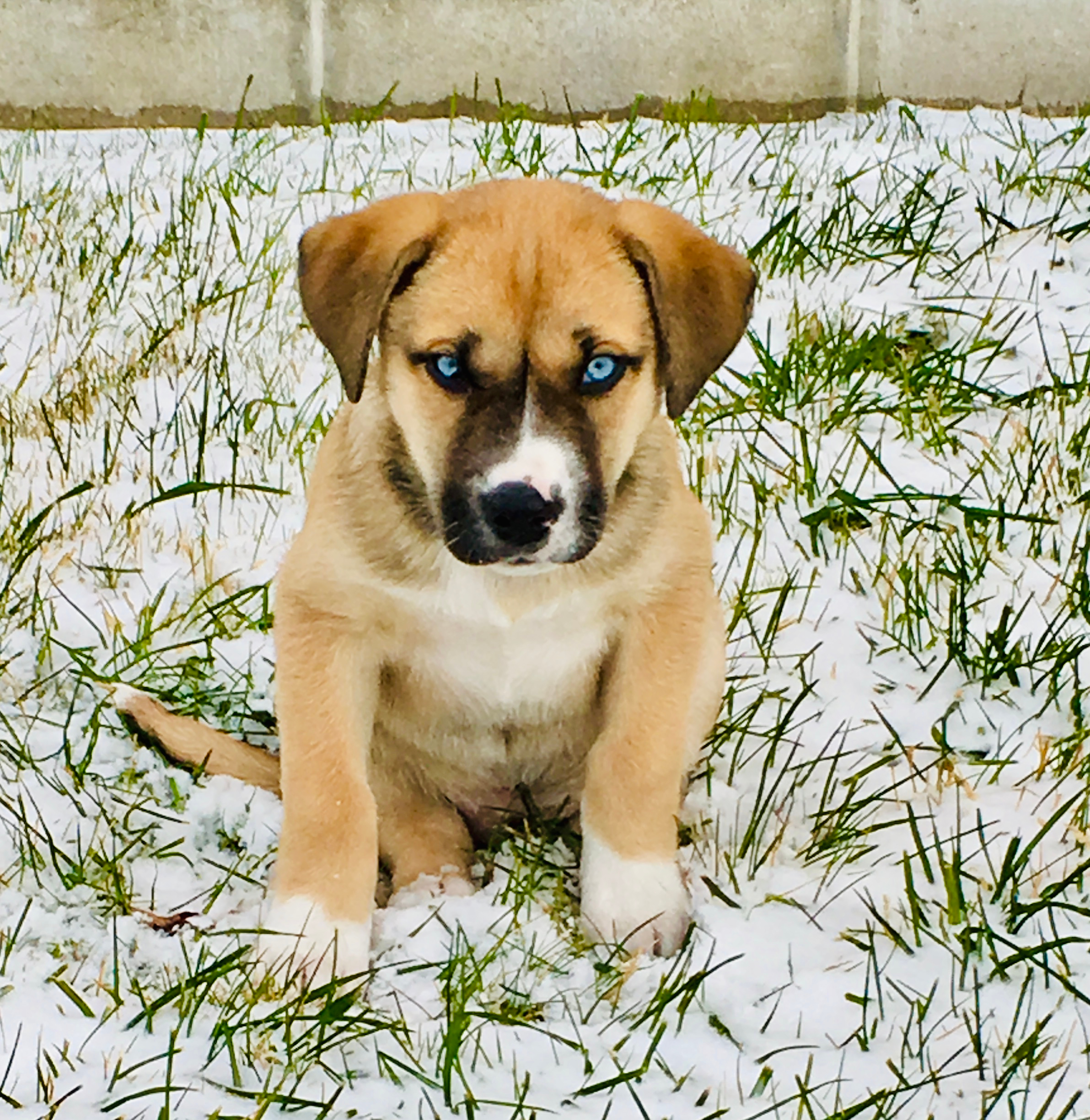
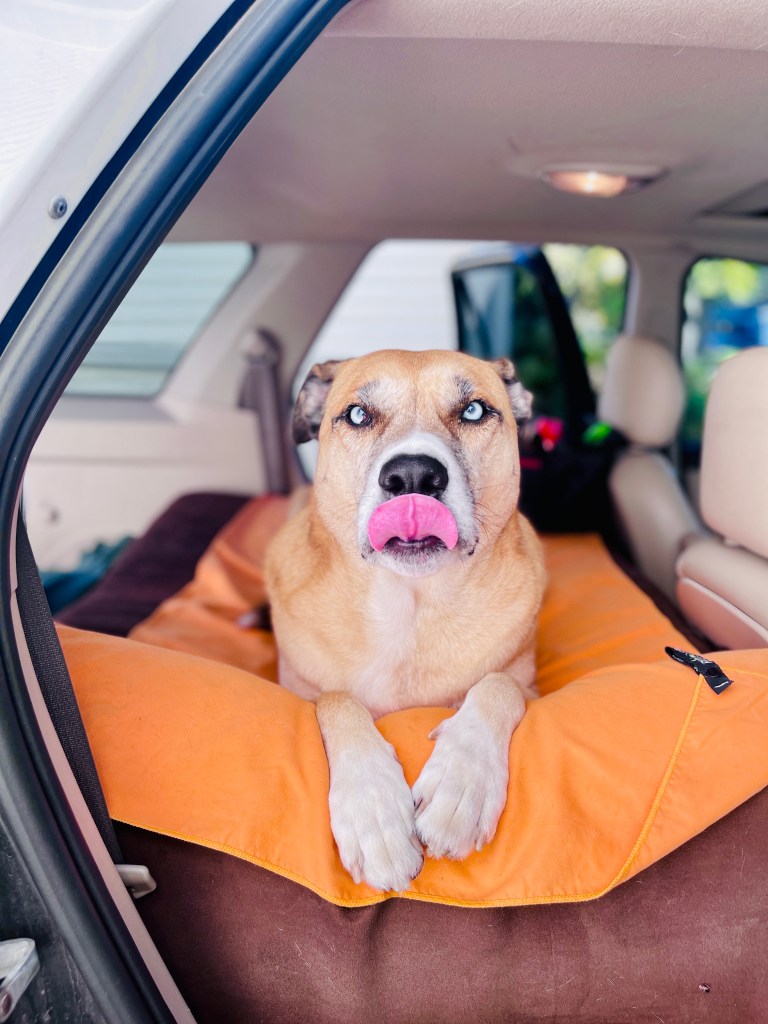
In October of 2016, my wife and I welcomed a new member into our family—a playful husky mastiff puppy named Zeus. I remember a lot of those early days and weeks of playing and training Zeus. Now, while training Zeus was an adventure full of ups and downs, it recently dawned on me how much that experience paralleled the process of training a machine learning model. From reinforcement to iterations and evaluations, training a dog and training a model have more in common than one would think. Both require patience, a structured approach, and the ability to adapt to challenges along the way.
Positive Reinforcement and Labeled Data
Training Zeus relied heavily on positive reinforcement, which mirrors the concept of supervised learning in machine learning. In supervised learning, models are trained on labeled data, meaning they are provided with examples that have clear outputs. For example, a model is given images of cats (with labels indicating “cat”) so it can learn to identify cats in subsequent new images.
When Zeus performed a desired behavior—whether it was sitting on command or not pulling on his leash—he was rewarded with a treat and praise. Looking back, I’m convinced Zeus simply just loved pulling on his leash for the sake of just getting me worked up. Anyway, the feedback served as his labeled data, teaching him the correct patterns and behaviors. Just like a model gradually learns from its data, Zeus learned to associate good behavior with positive outcomes. The clearer and more consistent the examples, the better he understood what was expected of him.
Challenges and Iterations
Of course, training Zeus was far from smooth sailing, in fact, I would have had an easier time with a different breed, I’m sure. There were many moments when he got distracted, forgot a command, or just seemed uninterested. At times like these, I needed to reassess my approach—whether it was trying a different tone of voice, changing his environment, offering a different reward, or concluding the training session for the time.
Similarly, training machine learning models often involves iteration and adaptability. Data scientists encounter situations where their model doesn’t perform as expected—perhaps it over-fits the data or struggles with certain predictions. In these cases, they need to iterate by trying different algorithms, adjusting hyper-parameters, or even feeding the model more or better data. And all together, at other times, stepping away from their laptop.
In both dog training and machine learning, progress is not always linear. It’s about being flexible, testing new methods, and improving step by step. The more we iterate, the closer we get to the desired outcome.
Evaluation and Improvement
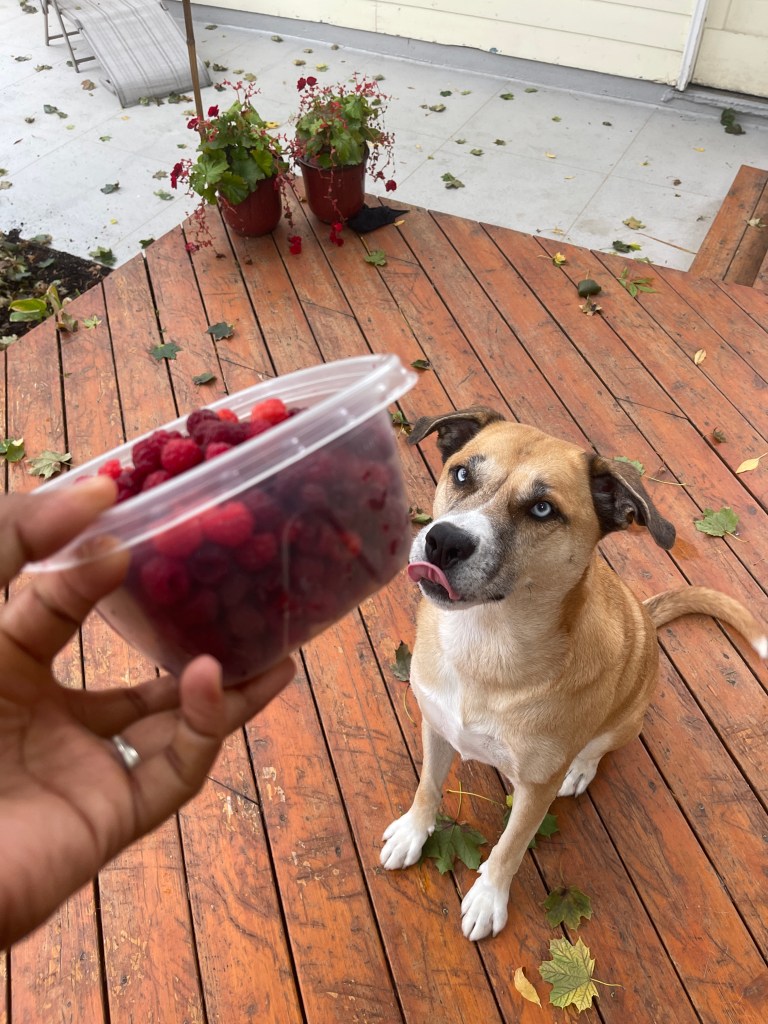
Evaluating progress is essential—both for Zeus and machine learning models. After weeks of training, I would assess Zeus’s behavior in different scenarios: Did he listen when there were distractions? Would he follow commands at the dog park as well as he did at home? These evaluations helped me understand how much he had truly learned and what still needed work.
In machine learning, model performance is evaluated using metrics like accuracy, precision, and recall. These metrics allow data scientists to see how well their models are performing, much like observing Zeus’s ability to follow commands in varied situations. If a model struggles with a specific task—just like Zeus would have trouble with “stay” when there were squirrels around—further adjustments are required. Refining training based on evaluations is a continuous process. I can also assure you that the squirrel distraction was and is still nearly impossible to train him out of, his chase instincts are too ingrained.
The Future of Training
As Zeus continued to grow and mature, I was excited to see how his training would evolve. Would he become more disciplined over time? Would he learn new tricks and behaviors as we deepened our bond? Some yes and some no.
This evolution mirrors my curiosity about the future of machine learning. As technology advances, we are constantly seeing new breakthroughs in how models are trained and applied. From healthcare to finance, machine learning is shaping industries by automating processes, making predictions, and optimizing outcomes. Much like training a dog, developing better models requires ongoing learning, fine-tuning, and adapting to new challenges.
The journey of training—whether it’s for a puppy or a machine learning model—is one of patience, persistence, and continual growth. With the right approach, both dogs and machine learning models can reach their full potential.
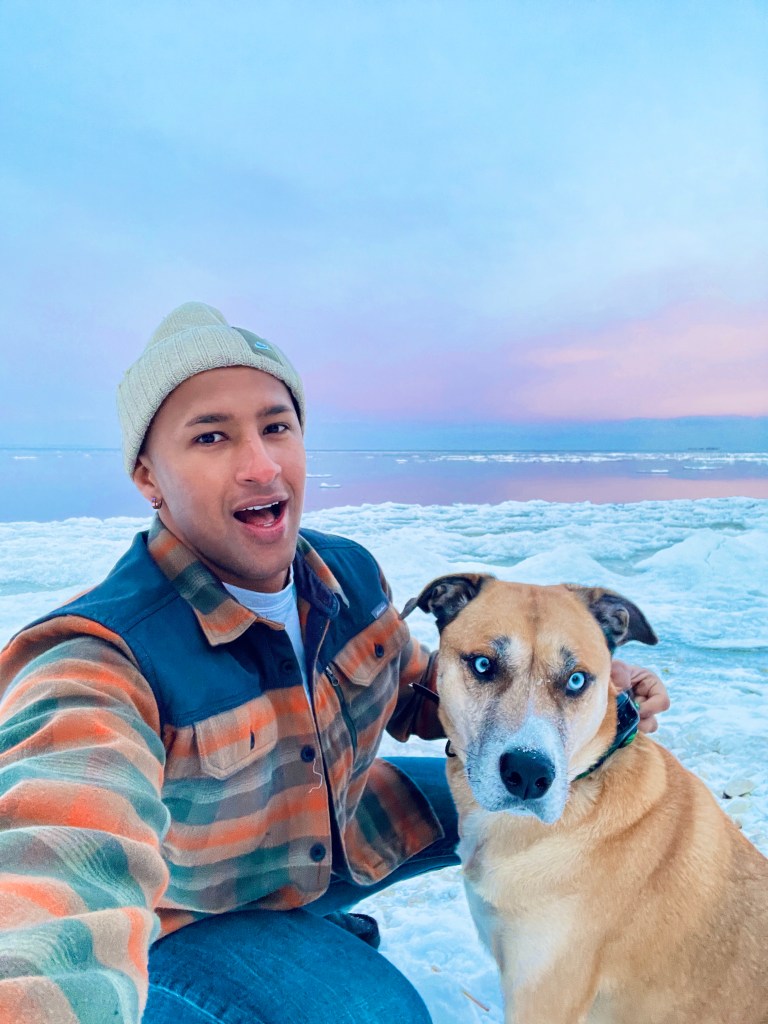
Training a dog and training a machine learning model may seem worlds apart, but at their core, they follow remarkably similar processes. Both rely on clear examples, iterative learning, and regular evaluations to improve performance. Just as Zeus continued to learn and adapt over time (less than to my satisfaction), machine learning models evolve through patience, persistence, and a willingness to test and refine approaches. Whether you’re working with a playful puppy or a sophisticated algorithm, the principles of training remain the same—and the rewards are worth the effort. Zeus and I have had many adventures over the years and it’s brought me a ton of joy to have him by my side.


Leave a Reply