

Ever asked Siri for the weather or used Google Translate on a trip? These seemingly simple interactions rely on a powerful field called Natural Language Processing (NLP), which is reshaping how we communicate with machines. NLP gives computers the superpower to understand, interpret, and even generate human language, allowing for more intuitive, natural interactions.
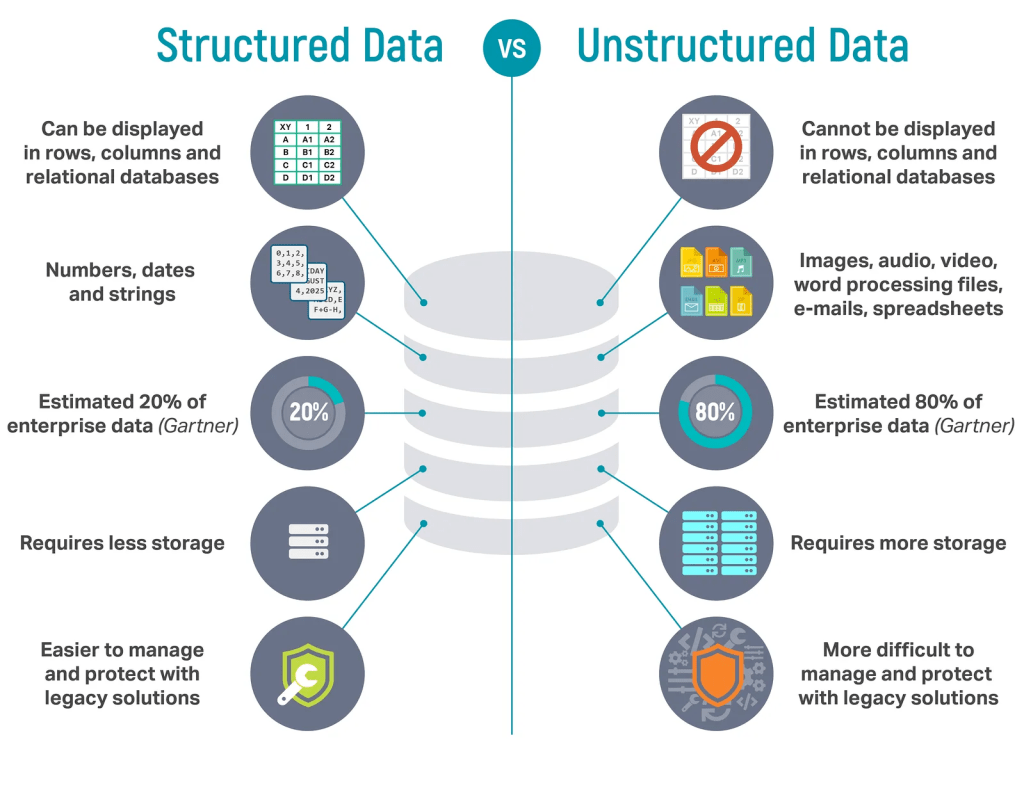
In a world overflowing with text—from emails and social media posts to articles and books—NLP acts as the bridge between humans and machines. It transforms unstructured language data into meaningful insights, enabling us to extract valuable information and discover patterns in the vast sea of digital content.
What is NLP, and Why Does It Matter?
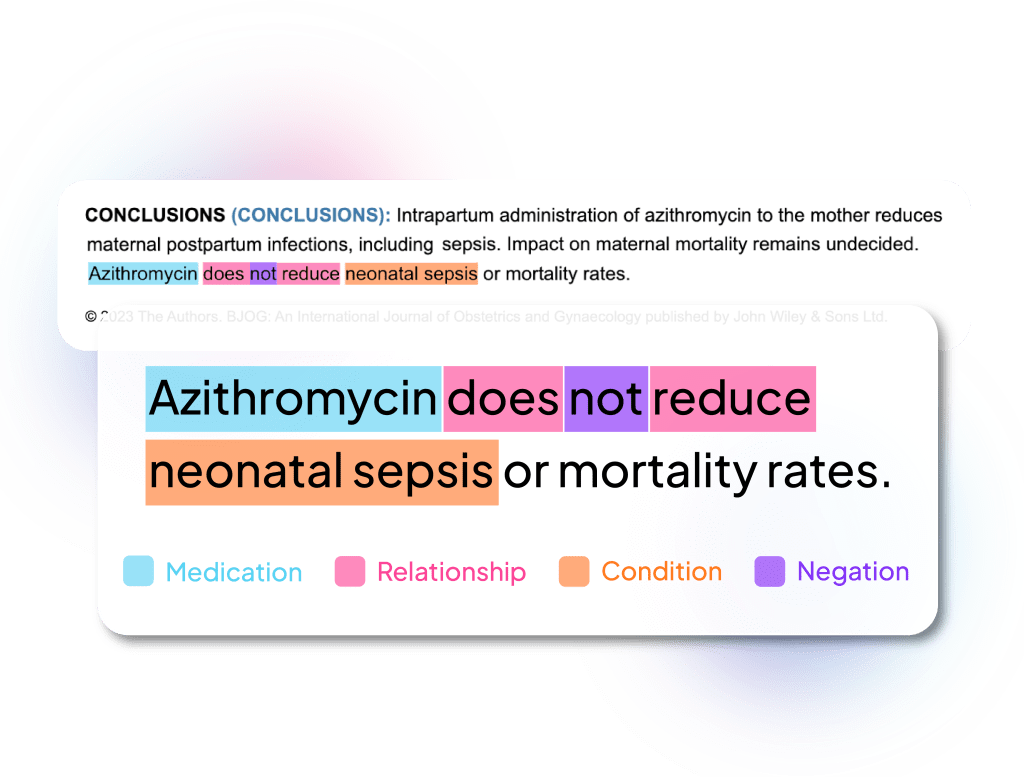
At its core, Natural Language Processing teaches computers to comprehend human language in all its complexity. Language is full of nuances, idioms, and emotional cues that make it challenging for machines to understand. NLP navigates this complexity, empowering computers to go beyond simple keyword matching and recognize the full meaning behind words and phrases.
But why is NLP important? Think about the massive volume of language data generated every day—from texts, tweets, and blogs to corporate reports and scientific papers. NLP provides a way to sift through this ocean of information, uncovering patterns and insights that would be impossible to detect manually.
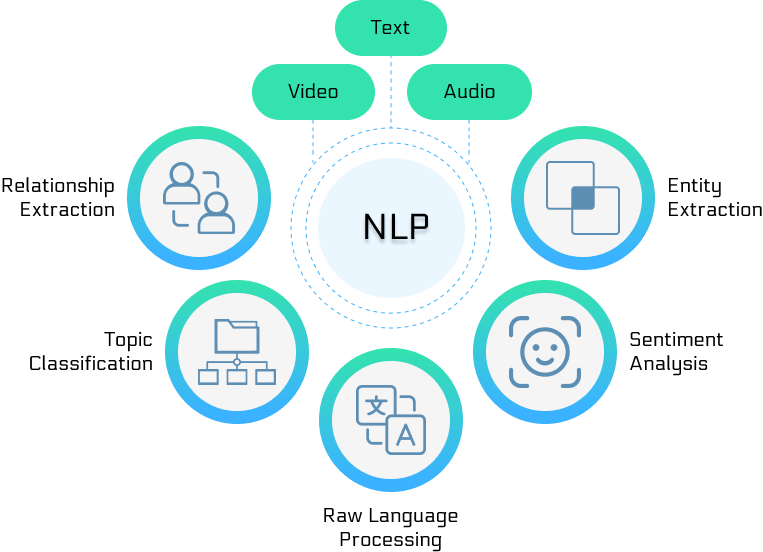
The Building Blocks of NLP
NLP is powered by several foundational techniques that enable machines to understand, process, and generate language. As the field has evolved, these methods have grown in sophistication, pushing NLP to new heights.
1. The Bag-of-Words Approach
One of the earliest and most straightforward methods is the bag-of-words (BoW) model. In this approach, a document is treated as a collection of individual words, without regard for their order or context. While simple, BoW has been useful for tasks like document classification and basic sentiment analysis.
2. Word Embeddings
As NLP progressed, word embeddings emerged as a solution to understanding context. Embeddings map words to continuous vector spaces, where words with similar meanings are located near each other. Models like Word2Vec and GloVe, which gained popularity before 2020, made it possible for machines to grasp the subtle relationships between words, improving applications like machine translation and text prediction.
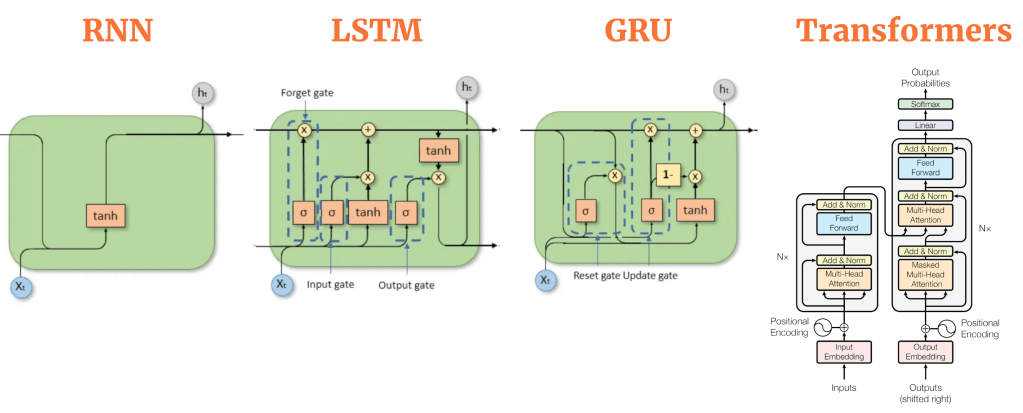
3. Recurrent Neural Networks (RNNs) and Early Transformer Models
The rise of Recurrent Neural Networks (RNNs) allowed for the processing of sequential data, making RNNs suitable for tasks like language translation and speech recognition. Early transformer models, which began gaining attention around 2017-2018, revolutionized how machines process language by handling dependencies over long distances in text more effectively. These models allowed for unprecedented leaps in text generation and language understanding, pushing NLP to the next level.
By combining these methods, NLP can now not only recognize individual words but also understand their context, making machines more capable of engaging in meaningful conversations and generating human-like responses.
Real-World Applications of NLP
NLP has far-reaching applications across multiple industries, many of which have become integral to our daily lives. Some of the most impactful uses include:
1. Virtual Assistants and Chatbots
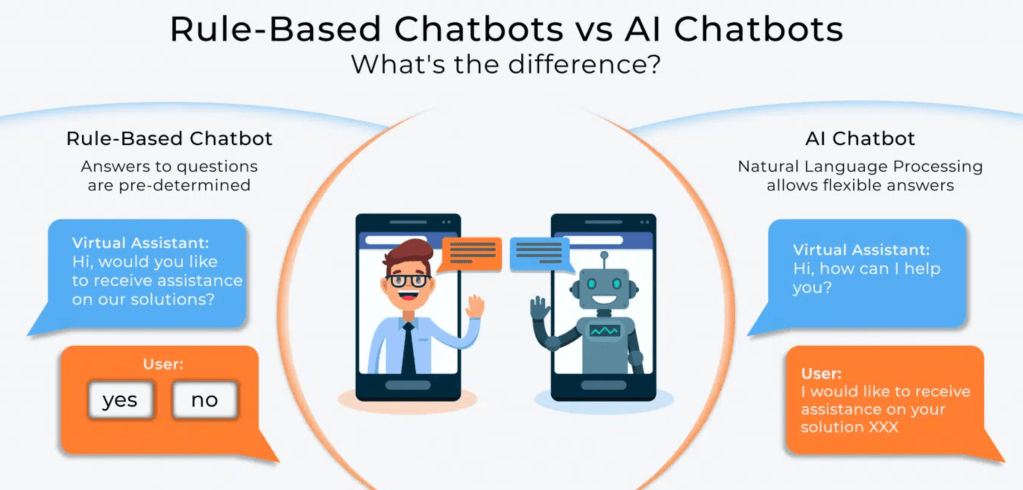
Virtual assistants like Siri, Alexa, and Google Assistant rely heavily on NLP to understand spoken commands, process requests, and provide accurate responses, notwithstanding, the occasional frustrations they present. Chatbots in customer service do much of the same, answering common questions and resolving issues, all while learning from interactions to improve future responses.
2. Sentiment Analysis
Companies use NLP to perform sentiment analysis, analyzing reviews, social media posts, and feedback to gauge public opinion. This helps brands adapt marketing strategies, improve customer service, and even predict emerging trends in real time.
3. Language Translation
NLP powers applications like Google Translate, which automatically translates text between languages. As models continue to improve, these translations are becoming more context-aware and accurate, breaking down language barriers around the globe.
4. Healthcare Applications
NLP is making waves in healthcare, where it’s used to analyze clinical notes, summarize medical research, and assist in diagnosing patients. By extracting insights from vast amounts of unstructured patient data, NLP is improving the efficiency and personalization of healthcare.
5. Creative Content Generation
Though still developing, NLP-driven models are generating creative content such as short stories, poems, and even news articles. These advancements are opening up new possibilities in marketing, entertainment, and journalism.
The Future of NLP
The future of Natural Language Processing is full of exciting possibilities. Imagine a world where AI can hold meaningful conversations, write novels, or even tutor students on complex topics. With the rapid pace of advancements, we will soon see computers that can not only answer questions but also engage in philosophical debates, compose music, or craft entire books.
As NLP continues to evolve, particularly through advances in models that process language with greater depth, the gap between human and machine communication will shrink even further. This promises a future where computers not only understand us but also anticipate our needs, offering suggestions and solutions in ways that feel natural and human.
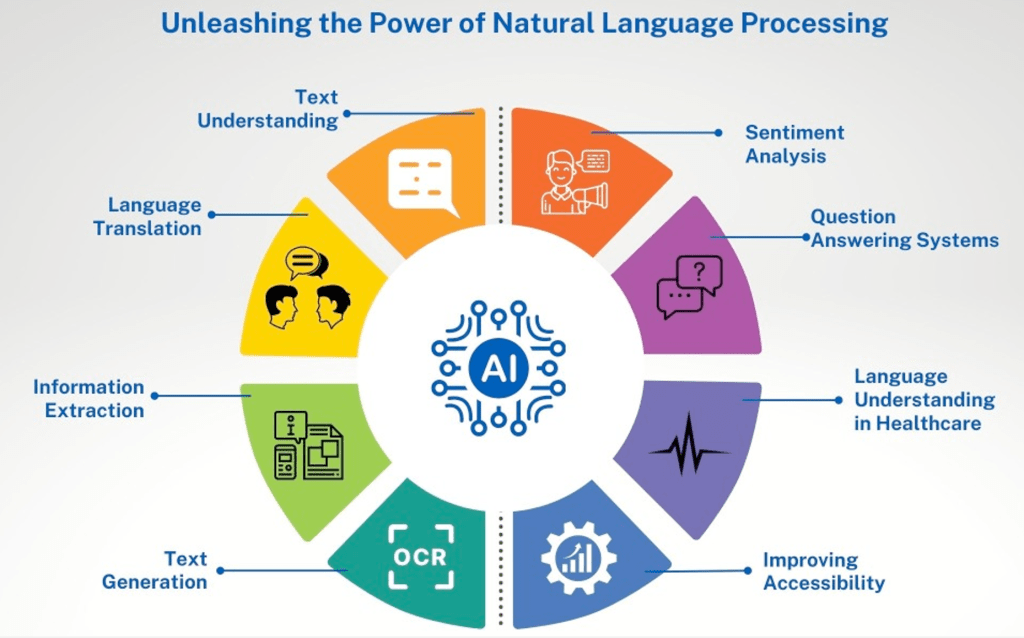
Natural Language Processing is revolutionizing how we interact with technology. From virtual assistants and chatbots to sentiment analysis and language translation, NLP is making it easier for machines to understand us. As the field continues to advance, the possibilities are endless—NLP is not just a tool but a gateway to a future where humans and machines communicate seamlessly.
Although asking Siri for the weather or using Google Translate during a trip does not always work the best or how you intend it to but it helps to remember that you’re interacting with one of the most transformative technologies of our time. In a short time, many of the little annoyances will be obsolete.


Leave a Reply