
Introduction – A Personal Connection to Intelligent Machines
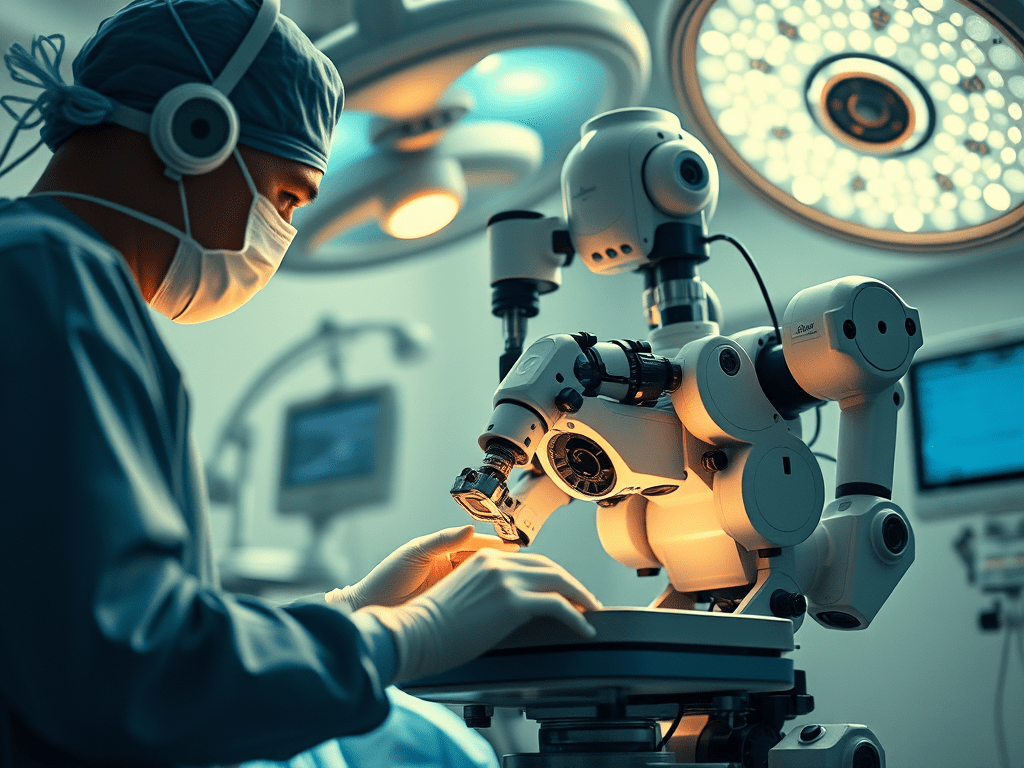
Technology has always fascinated me, but my appreciation for it deepened when I found myself in a situation where my wife needed a delicate surgery. The thought of a robot assisting in such a procedure fascinated me. And as I watched the DaVinci robotic system at work, I envisioned a future that would be vastly different from where we currently were. Here was a machine, meticulously controlled by a surgeon, performing with a level of precision and dexterity that human hands alone would not match. The surgery was successful, and the recovery was faster than expected.
This experience was not just a personal revelation—it was a moment that illustrated the profound impact robotics and automation are having on our lives. We’re living in a world where the line between human and machine is blurring, and as we navigate this reality, it’s worth asking: where do we draw the line?
The Rise of Robotics and AI – An Unstoppable Force
Robotics and Artificial Intelligence (AI) are no longer futuristic concepts. They’re here, integrated into our daily lives, often without us even realizing it. From the moment you step into a self-checkout lane at the grocery store to the automated customer service chat on your phone, robots and AI systems are everywhere, quietly working behind the scenes to make our lives more efficient.
In industries like manufacturing, robots are automating tasks with unmatched precision. In healthcare, systems like DaVinci are assisting in surgeries, reducing risks, and improving patient outcomes. AI is becoming the brain behind the robot, enabling machines to learn, adapt, and perform tasks that were once purely the domain of human intelligence.
Take a moment to think about that. Machines—once tools to assist us—are now learning, reasoning, and making decisions. In some cases, they’re doing it better than we ever could.

Intelligent Machines in Everyday Life – Human vs. Machine
It’s easy to marvel at the power of AI and robotics in industries, but let’s bring it closer to home. Think about your own experiences. How many times have you interacted with AI-powered systems today? Maybe you asked Siri or Alexa a question, or maybe you received a personalized product recommendation based on your past purchases. We’ve become so used to these technologies that we sometimes forget how much we rely on them.
But as these machines become smarter, we also need to consider what this means for the human element. Are we outsourcing too much? Are we giving up control in ways we may not fully understand yet?
The convenience is undeniable. AI and robotics are making everything faster, more efficient, and in many cases, more accurate. But there’s a catch—what do we lose when we start handing over tasks, decisions, and even creative processes to machines?

The Ethical Dilemma – Jobs and Responsibility
One of the most immediate concerns surrounding the rise of robotics and AI is the impact on jobs. Machines don’t need breaks, vacations, or healthcare benefits. They can work around the clock, and they’re incredibly efficient. While this boosts productivity and lowers costs, it also raises an uncomfortable question: what happens to the people whose jobs are being automated?
Industries like manufacturing, logistics, and even customer service are increasingly relying on robots and AI to perform tasks that once provided jobs to millions. While new technologies often create new jobs, the question remains: are we prepared for the scale of job displacement that’s likely coming?
Beyond job loss, there’s the issue of responsibility. As machines take on more autonomy, who is responsible when things go wrong? If an AI system makes an incorrect decision during a medical procedure, is the fault with the machine, the programmer, or the hospital? These ethical dilemmas are no longer hypothetical—they’re questions we need to grapple with as robotics and AI continue to evolve.

Navigating the Future – Where Do We Draw the Line?
The future of robotics and AI is filled with promise, but it’s also fraught with uncertainty. Machines will become more advanced. They’ll continue to infiltrate new sectors, perform increasingly complex tasks, and learn from their environments in ways that make them more human-like every day.
We need to ask ourselves where we draw the line. At what point do we say, “This task belongs to humans, not machines”? Is it when creativity is at stake? Emotion? Ethics?
My own experience with the DaVinci system showed me that the right blend of human intelligence and machine precision can produce incredible results. But it also left me wondering about the broader implications. As we rely more heavily on intelligent machines, we must ensure that the human touch is not lost. After all, technology should serve us—not replace us.
Embracing the Future While Staying Mindful
We are on the cusp of a new era where robots and AI will not just assist us—they will work alongside us in ways we can’t yet fully imagine. And while this promises a future of increased efficiency and groundbreaking innovations, we must also be mindful of the ethical, societal, and personal implications.
As technology continues to evolve, the most important question may not be “What can machines do?” but rather “What should machines do?” Navigating this new landscape requires not just innovation, but wisdom, responsibility, and a commitment to maintaining what makes us human.


Leave a Reply